After a thousand stories, one question remains: who is today’s hero?
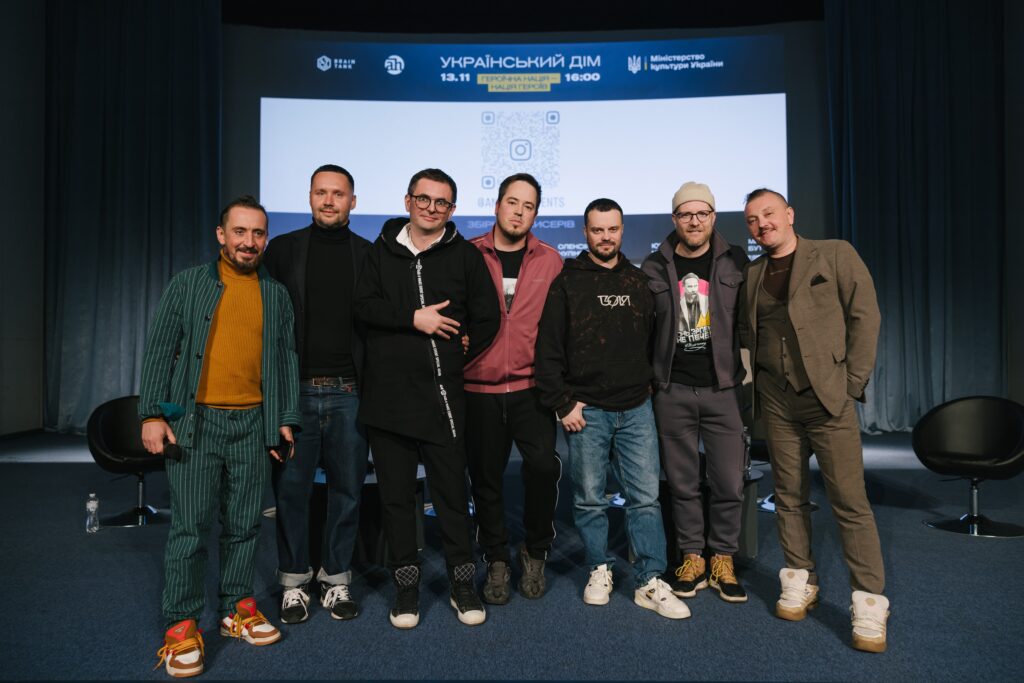
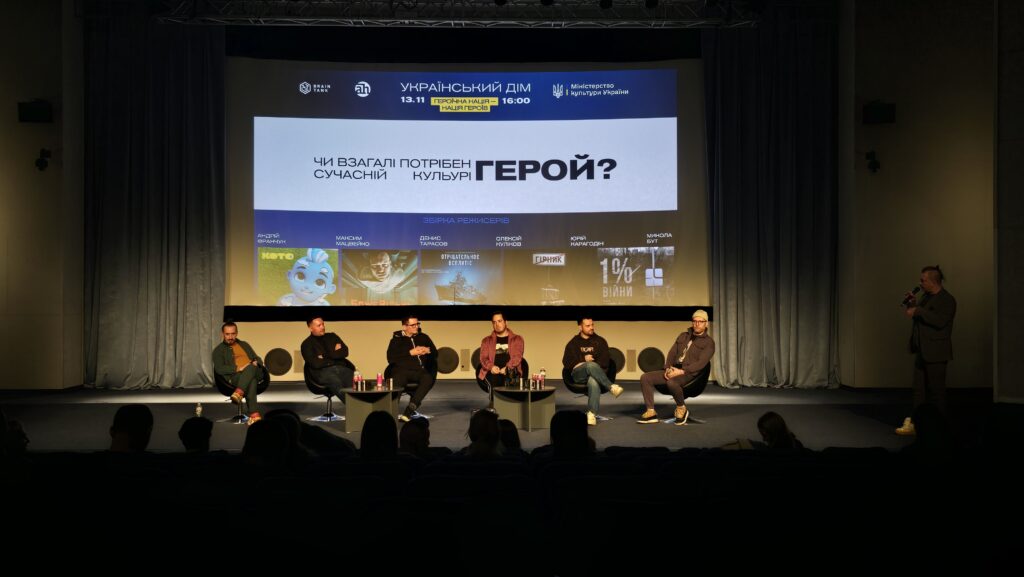
On November 13, the Ukrainian House National Cultural Center in Kyiv hosted a panel discussion entitled “A HEROIC NATION — A NATION OF HEROES,” which was devoted to the topical issue of “Shaping the image of a national hero through the prism of the film industry and animation.” The event was supported by the Ministry of Culture of Ukraine.
The discussion brought together renowned directors, producers, documentary filmmakers, and animators who are currently creating Ukrainian content and shaping the country's cultural narrative. The main question at the center of the discussion was: What is the modern Ukrainian hero like, and how is his narrative formed?
The organizers emphasized that the issue of shaping the image of a hero is one of the key elements of cultural identity and can become an important part of the state's strategic communication.
Well-known Ukrainian artists took part in the discussion:
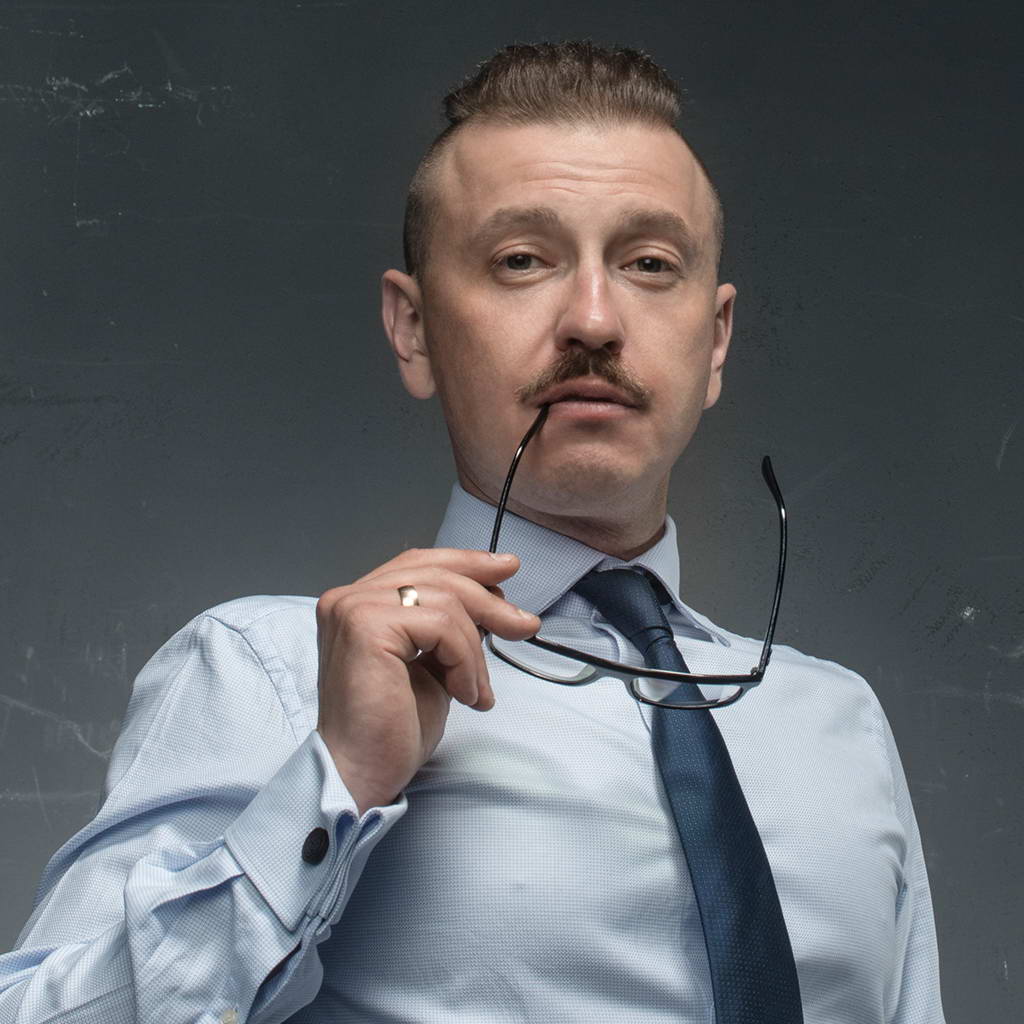
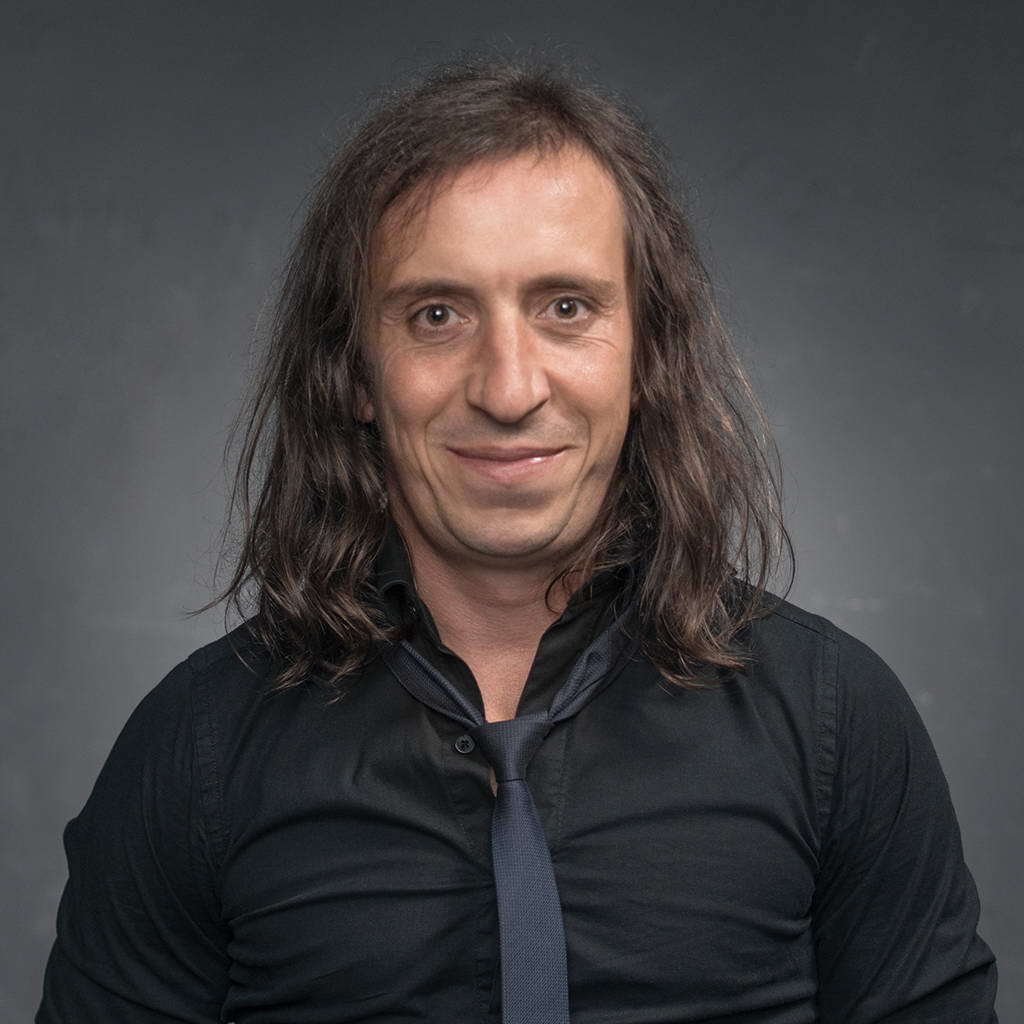
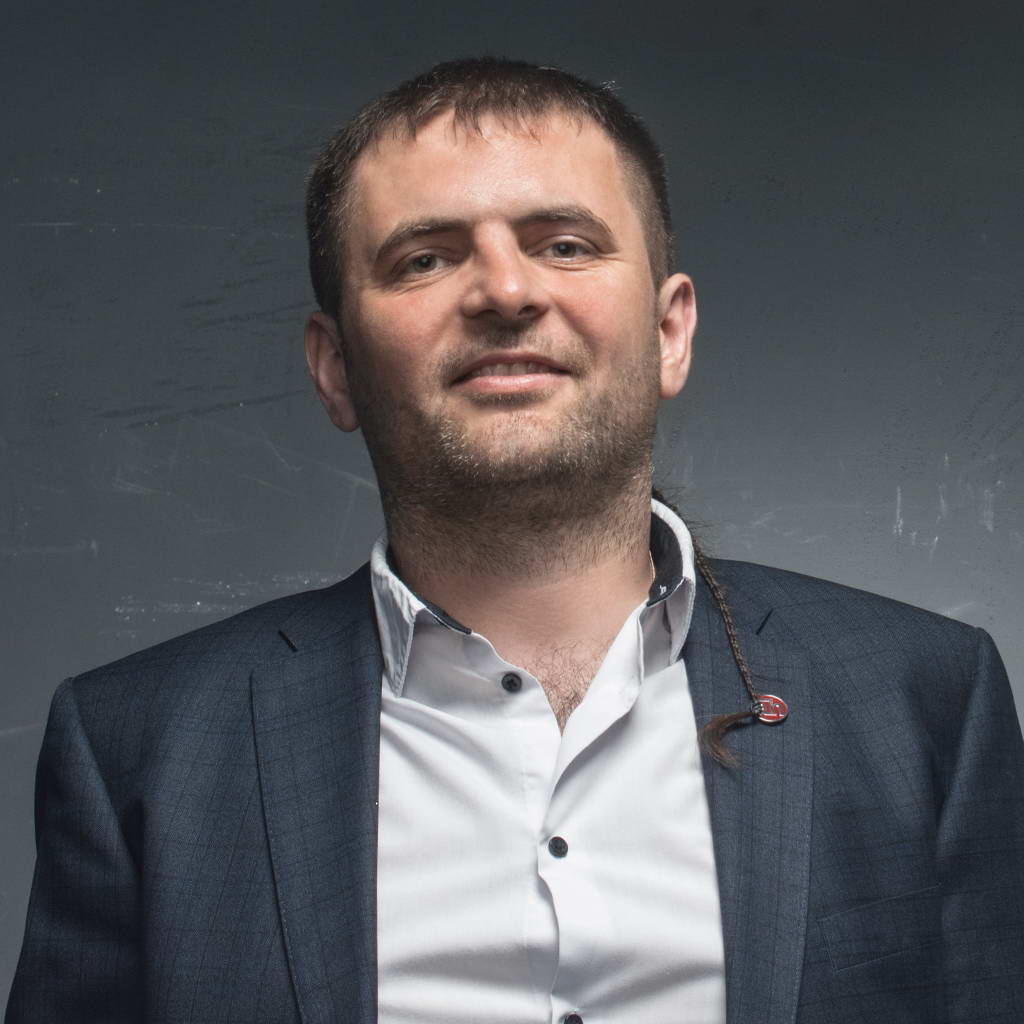
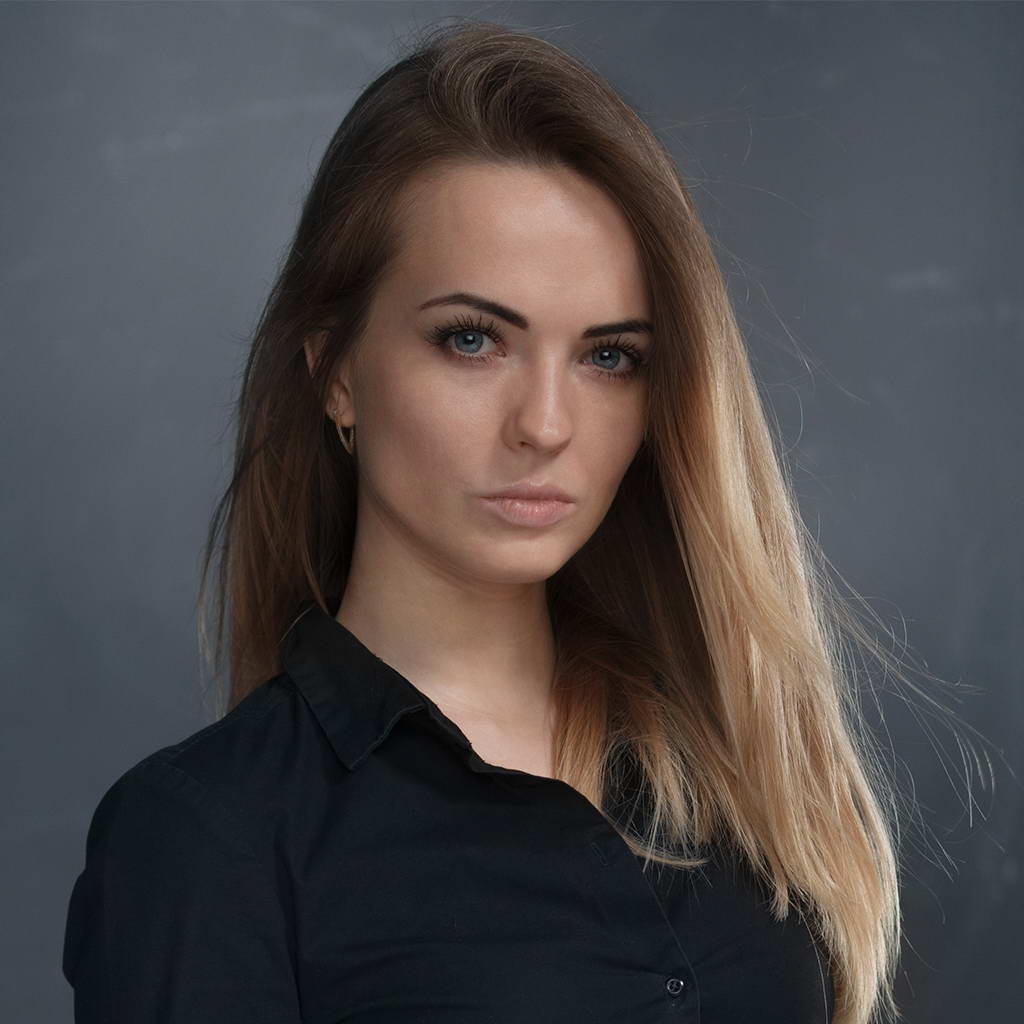
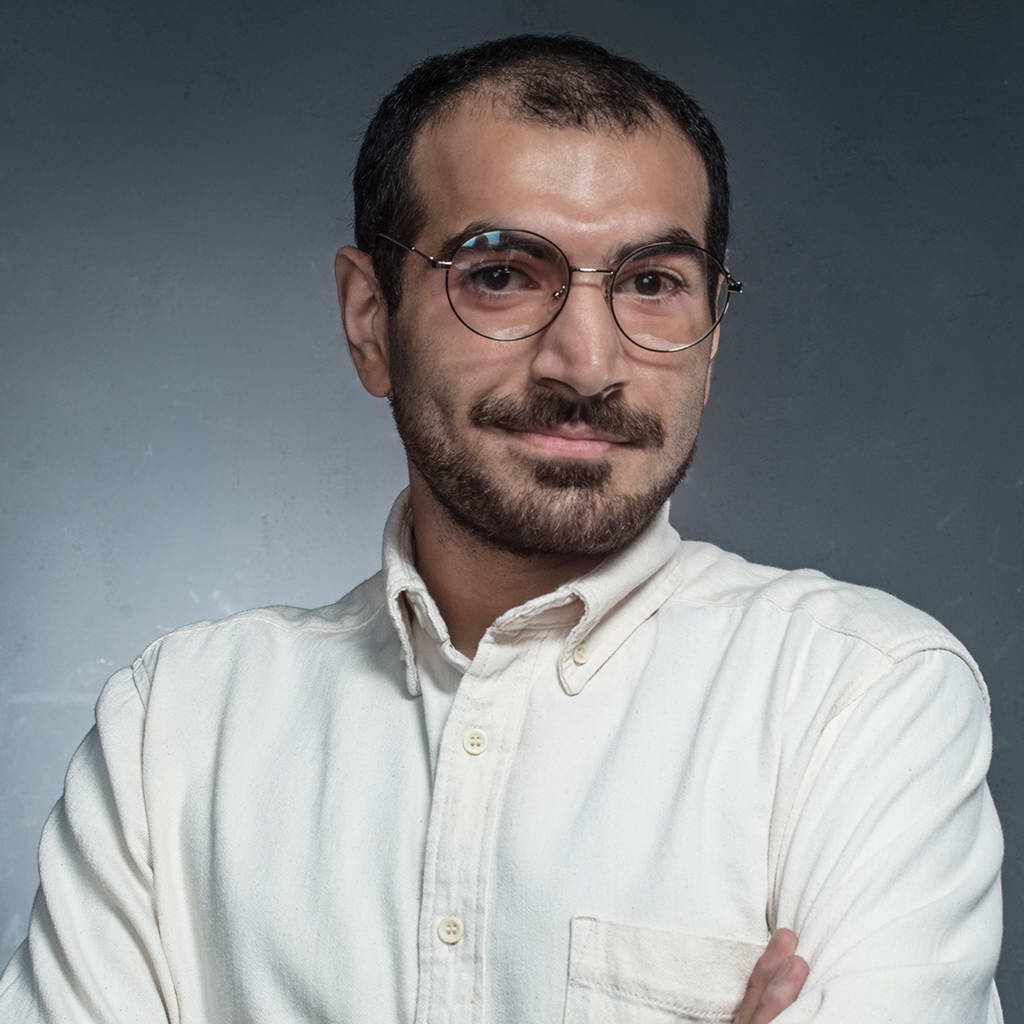
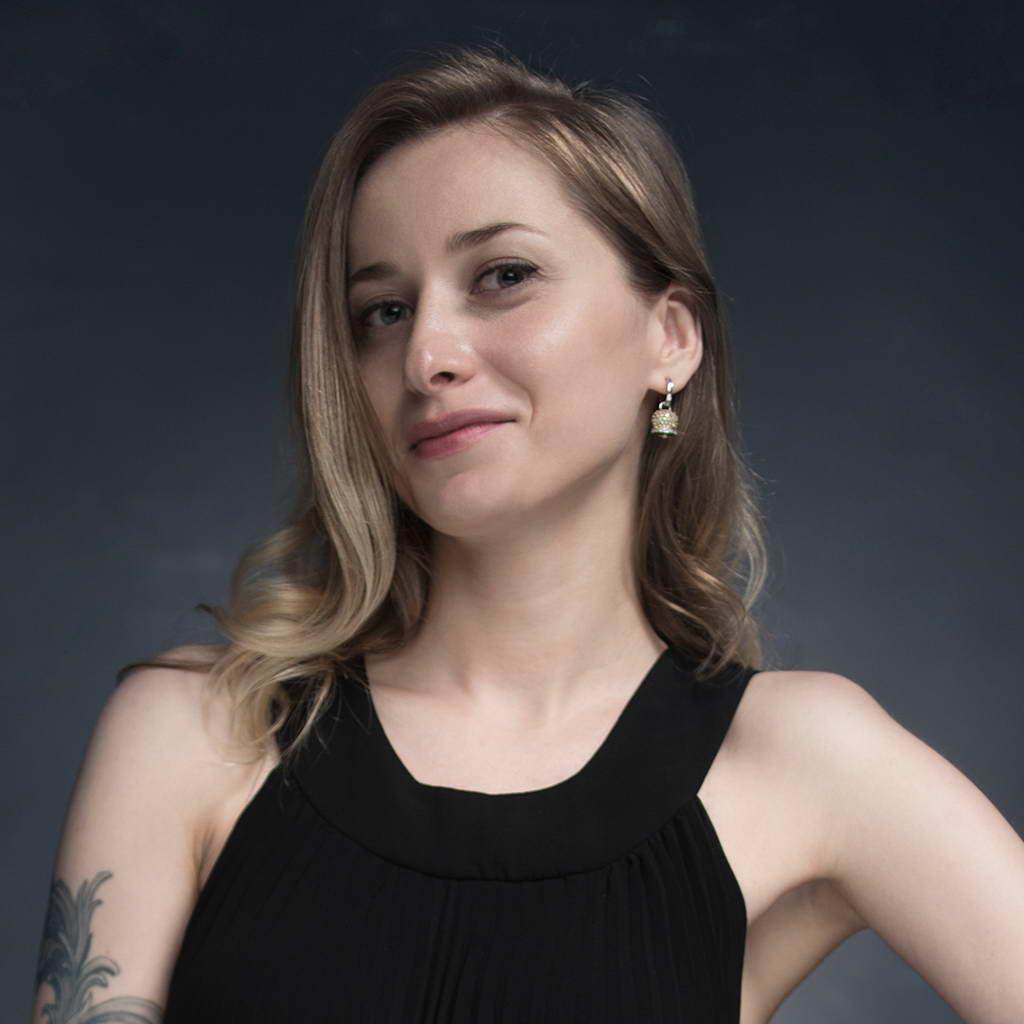
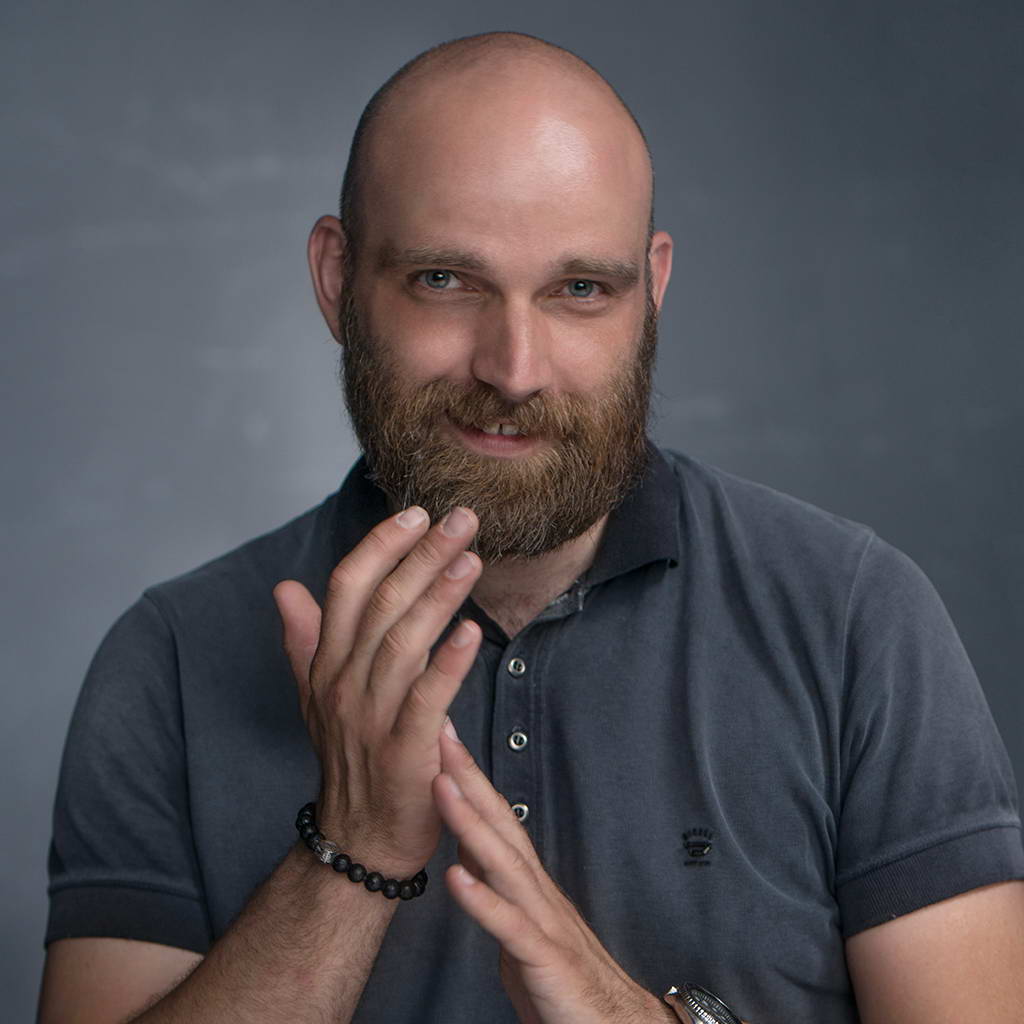
• Denis Tarasov, director of the films “I Am Nadiya” and “BozeVilni.”
• Oleksiy Kulikov, legendary producer of the 3D film Otritsatelnoe vsplytie.
• Mykola But, author of the documentaries 1% of War and Miner.
• Yuriy Karagodin, producer of the films Miner and 1% of War.
• Andriy Franchuk and Maksym Matsveiko, director and producer of the animated series “Koto — Master of Emotions.”
The moderator was Yevhen Myroniuk, a cultural figure and curator of the “Code of the Nation” museum under the patronage of the third President of Ukraine, Viktor Andriyovych Yushchenko.
The discussion focused on five projects which, although very different in genre and format, are all dedicated in one way or another to contemporary Ukrainian heroes.
Who is a hero today?
The first question that started the conversation was simple and painful:
“Do we need heroes today? And what should we do with them?”
Denis Tarasov:
“Heroes today are completely normal people among us. Every single one of us. Because the way we hold on, support each other — that is the heroism we need to talk about, film, and shout to the whole world.”
Mykola But pointed out that a hero is not always tied to a specific person:
“The hero in the film 1% of War is an act. A situation. Something that everyone must do.”
Yuriy Karagodin focused on the importance of a true image:
“A hero doesn't have to be Superman — he can get tired and make mistakes. But when we talk about the military, we have to show them as strong and cool. Because if we don't do it, others will do it for us — and they will do it wrong.”
Why do we need heroes in movies?
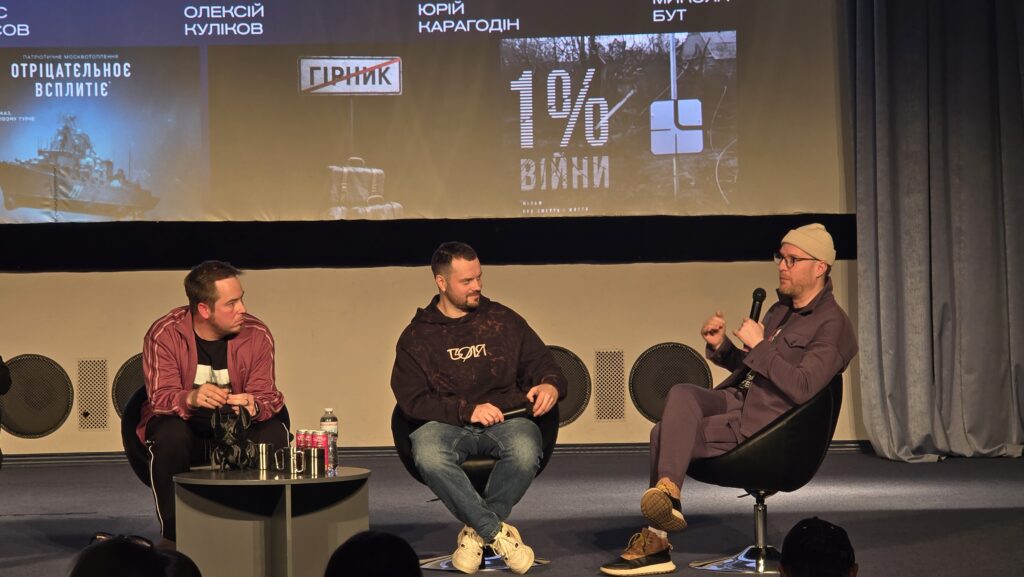
Oleksiy Kulikov explained why heroes are key figures in culture:
"A hero is an experience. It is respect for those who have done something great. It is the answer to the question: who should we look up to? The story we tell about a hero shapes our identity. That is why the Ukrainian narrative is critically important today."
Heroes for children: “Koto” as a new image of children's courage
The topic of children's content became an important part of the discussion. Participants talked about how children need not only to be entertained, but also to be taught to deal with their fears, emotions, and experiences through the images of heroes.
Maksym Matsveiko
“Koto is a modern Kotygoroshko. Everyone knows about him, but few people imagine what he is like. We have revived him in a modern sense: his mace does not destroy, but rebuilds — like a magic wand. Koto lives in all cities of Ukraine and helps everyone.”
Andriy Franchuk
“We need different heroes. Maksym and I are creating an animated series to show children that you can grow with your fears — and learn to tame them. We are now looking for and creating a narrative that will become the hero of the future. A hero is not just a person. A hero is an action that a person takes and continues to take.”
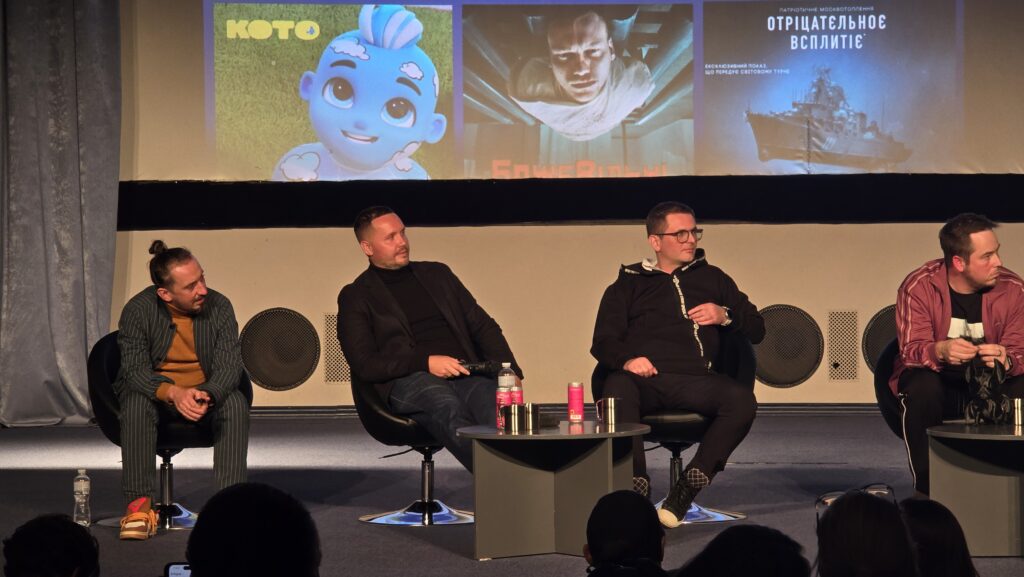
The event turned into a space where everyone told their story openly and with a sense of responsibility.
As a result of the discussion, the participants came to the following conclusions:
• Ukrainian heroes must be honest, multidimensional, and humane;
• Children need heroes who are modern, understandable, and emotionally accessible.
• We have the right to show soldiers as they really are, not just as idealized figures.
• Culture is a tool for strategic communication by the state.
• Today's heroic narrative shapes the future identity of the country.
• It is very important now to support artists in creating the image of the “hero.”
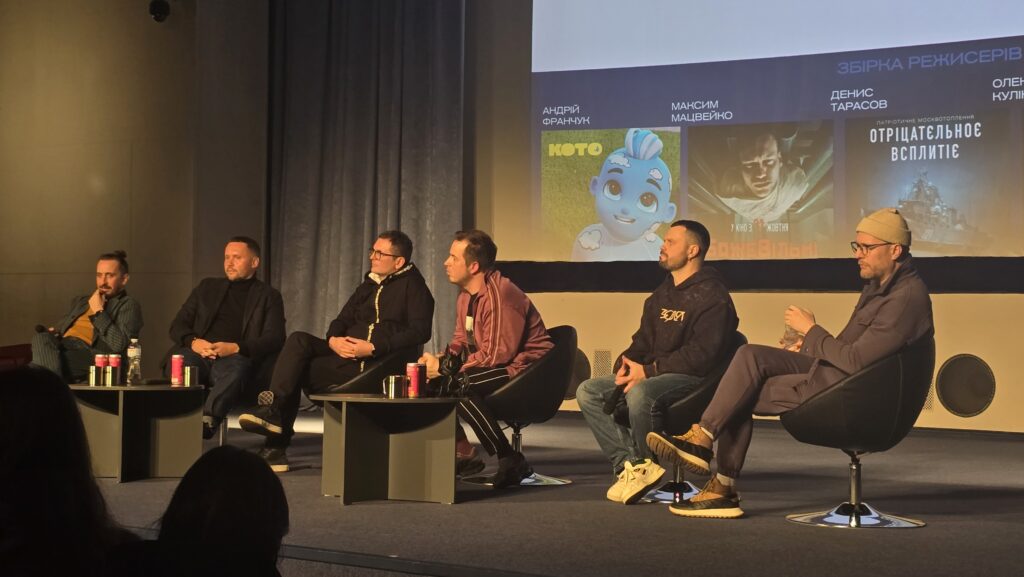
The discussion became a search for questions about what the future hero should be like. Such events shape a space where new meanings and new cultural narratives are born.